Socorro, TX Service Dog Training: Certification That Actually Holds Up
Why Most Service Dog Certificates Don't Reflect Actual Training Standards
Many Socorro, TX residents assume that any dog registered through an online service constitutes a legitimate service animal — that a vest and a certificate are what make a service dog. Under ADA standards and in real-world access situations, what distinguishes a trained service animal from an untrained one is the consistent, reliable performance of specific disability-related tasks. A document doesn't produce that. A structured training program with measurable phase requirements does.
Barkerhaus Kennels operates its service dog program under SARA registration — the Service Animal Registry of America — and affiliation with ASD (American Society for the Deaf). The four-part, six-week certification course was built around the actual standards that determine whether a dog holds up in public access situations, not around the minimum documentation required to appear compliant. For Socorro residents navigating disability needs near Loop 375 or along the communities stretching toward the lower valley, the difference between a dog that actually works and one that merely carries documentation becomes apparent the first time the dog is challenged in a real environment.
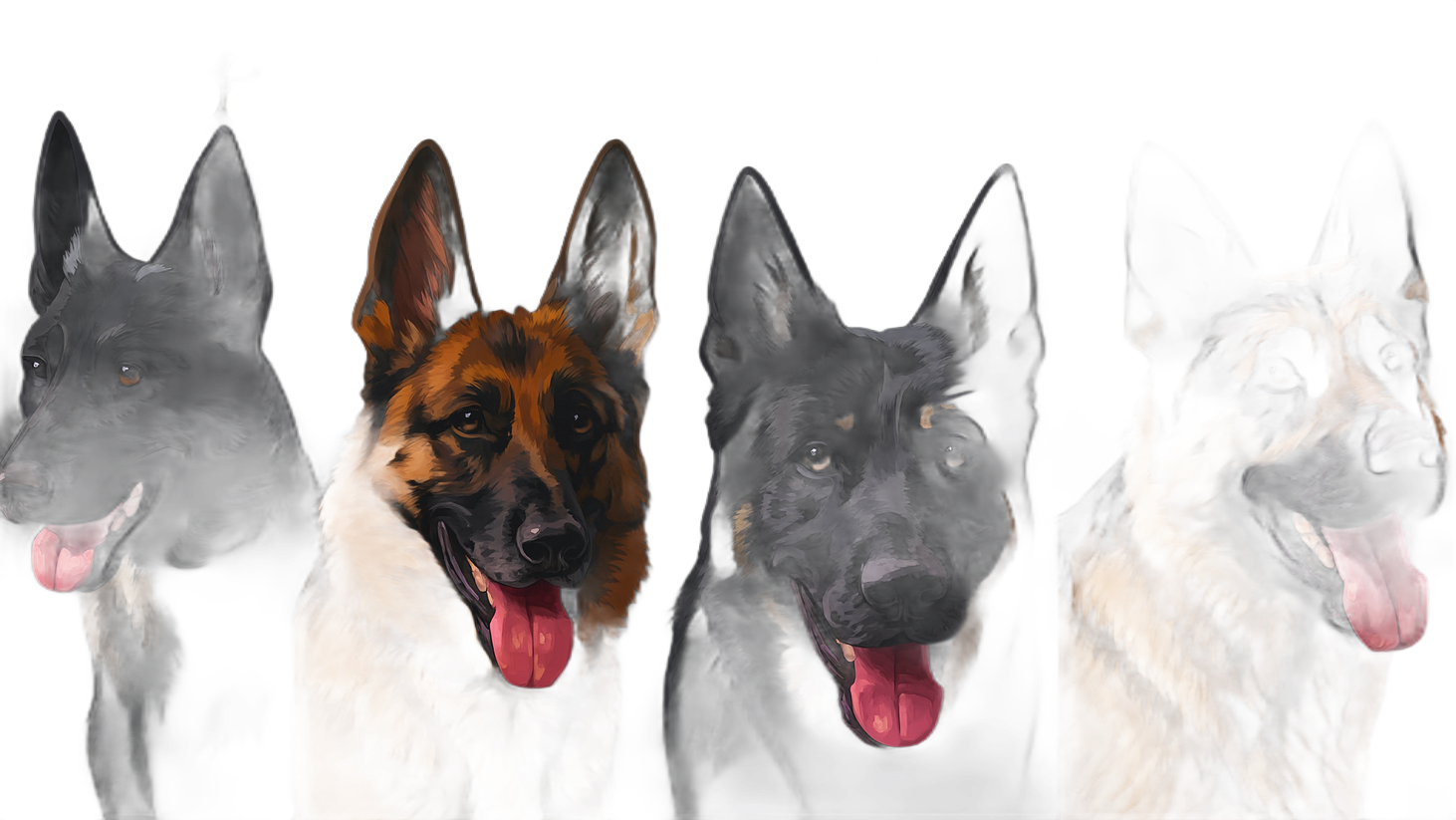
The program accepts personal dogs that pass the temperament assessment, as well as young adult German Shepherd candidates from our own breeding program for residents who need to start with a dog already evaluated for working suitability.
What Makes Socorro Service Dog Training Different
The service dog certification program runs in four sequential phases, each requiring demonstrated proficiency before advancing. This structure is what separates a dog that has genuinely mastered each layer of the training from one that completed a combined assessment over a weekend. Socorro residents working through PTSD, mobility limitations, hearing impairment, or seizure conditions benefit most from a program that matches training depth to the actual complexity of the required task.
- Phase 1 — Basic Obedience: the dog must meet foundational behavioral standards before any disability-specific task training begins; this phase cannot be skipped or abbreviated
- Phase 2 — Public Access: real-environment performance with crowds, noise, and unexpected stimuli — not only controlled-facility compliance where conditions are managed in advance
- Phase 3 — Canine Good Citizen: meeting AKC's behavioral benchmarks that reflect the social and environmental reliability required in the public spaces Socorro handlers actually access
- Phase 4 — Handler Certification: the handler learns to work with and maintain the dog in daily life, ensuring training holds across the full range of situations the handler faces
- Specialized task extensions for wheelchair assistance, hearing response, sight guidance, seizure detection, and retrieval — each requiring additional time beyond the four-phase base program
Beginning the program requires a physician's statement identifying the disability and describing how a service dog will assist — standard documentation across legitimate programs that ensures training is built around your actual needs. Contact us to discuss what that documentation should include and which service type fits your situation in Socorro.
Choosing the Right Service Dog Trainer in Socorro
Selecting a service dog trainer in Socorro means evaluating whether the program produces an animal that functions in public access situations or one that performs only under ideal training conditions. That difference doesn't become clear until the dog is placed in a real environment with real pressure — which is why evaluating a program's structure before committing is more informative than evaluating its certificates alone.
- Whether physician documentation is required at program entry — legitimate service dog training always verifies medical necessity before beginning task-specific work
- Whether the dog's individual suitability is assessed before training begins, since not every dog has the temperament, drive, or stability that service work requires
- Whether handler training is included as a program component — a dog trained by a professional without simultaneous handler instruction produces inconsistent outcomes once working daily with a non-trainer
- Whether the certifying body reflects established professional standards — SARA registration and ASD affiliation indicate a program operating within recognized frameworks, not issuing self-created credentials
- Whether task-specific training for the handler's particular needs in Socorro — seizure response, mobility assistance, emotional regulation support — requires dedicated additional phases beyond the base certification course
A service dog that performs reliably in Socorro schools, medical offices, and public spaces requires training built around genuine access conditions, not facility-only performance. Reach out to begin the intake process and determine whether your own dog or a program candidate is the right starting point.